Comic Book Templates Interior: Your Creative Launchpad
Beyond a Blank Page: Understanding the Four Core Layouts
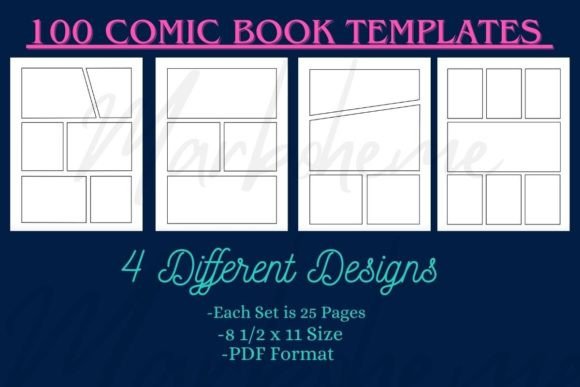
Staring at a blank page is one of the biggest hurdles for any aspiring comic creator. The potential is limitless, which can be paralyzing. This is precisely the problem Comic Book Templates Interior solves. It’s not just a collection of pre-drawn boxes; it's a carefully curated set of 100 pages designed to provide structure, spark ideas, and streamline the entire creation process. Each template is a starting point, a foundation upon which you can build worlds, craft characters, and tell compelling visual stories. The design of each layout influences the narrative's pacing and emotional impact, giving you a professional framework from the very beginning.
The collection offers four distinct template types, each with its own storytelling strengths. While the specific panel arrangements can be adapted, they generally fall into these archetypes:
- The Dynamic Action Layout: Featuring angled panels, overlapping frames, and varied sizes, this template is built for high-energy sequences. Think superhero battles, frantic chases, or explosive moments. The visual chaos of the layout mirrors the on-page action, pulling the reader directly into the conflict.
- The Conversational Grid: This is your workhorse for dialogue-heavy scenes. Often based on a clean, consistent grid, it prioritizes clarity and readability. It allows readers to follow conversations without being distracted by overly complex layouts, making it perfect for character development, exposition, and establishing key relationships.
- The Cinematic Showcase: Ideal for establishing shots or dramatic reveals, this template often uses a large, dominant panel paired with smaller, supporting ones. It helps control the reader's focus, allowing you to linger on a beautiful landscape, introduce a new location, or give a character a powerful entrance.
- The Flexible Storytelling Page: This template offers a mix of panel sizes and arrangements on a single page. It provides creative freedom while still offering a guiding structure, making it versatile for scenes that transition between action and dialogue or for montages that need to convey the passage of time.
Practical Applications: From Personal Projects to Professional Publishing
The true value of Comic Book Templates Interior lies in its versatility. The PDF format and 8.5 x 11-inch size make it a practical design asset for a wide range of projects, both digital and print. For hobbyists and crafters, these templates are a fantastic way to create personalized gifts, family history comics, or unique party invitations. Imagine turning a funny family anecdote into a short comic strip for a birthday card—a personal touch that’s far more memorable than a generic store-bought option.
For entrepreneurs, marketers, and content creators, the applications are even more powerful. A small business owner could create a short comic to explain a complex service or product in an engaging, easily digestible format. This is a form of editorial design that breaks through the noise of standard blog posts and infographics. Bloggers can use them to create unique social media graphics that tell a micro-story, capturing audience attention far more effectively than a static image. The potential for creating a distinct brand identity through a custom comic series is immense, fostering a deeper connection with your audience.
Most significantly, these templates are Amazon KDP Ready. This opens the door for aspiring graphic novelists and independent publishers to produce and sell their own comics. The provided structure eliminates the technical guesswork of setting up bleed, margins, and panel spacing, allowing you to focus purely on the creative work. Whether you’re aiming to publish a full-length graphic novel or a series of short comic zines, having a professional-grade interior layout is a non-negotiable step, and this product provides exactly that. The convenience of 25-page packets also helps in organizing your workflow, allowing you to tackle your project in manageable chunks.
Maximizing Your Creative Output with Professional Tools
While the templates provide the skeleton, the soul of your comic comes from your art and lettering. Choosing the right fonts for your dialogue, captions, and sound effects is critical. This is where your understanding of typography comes into play. Your lettering is not just text; it's a visual element that contributes to the overall tone and style of your comic. A bold, jagged font might be perfect for a superhero’s battle cry, while a clean, rounded sans serif font could be better for a character's internal monologue.
When selecting fonts to pair with your comic interiors, consider the personality of your story. A gritty noir detective story might benefit from a script font for narration and a stark, industrial display font for sound effects. A lighthearted, whimsical comic could use a playful handwritten font. The key is to ensure readability above all else. A creative font is useless if your audience can't read the dialogue. Always test your chosen typefaces at the size they will appear in the final printed or digital version.
Think of Comic Book Templates Interior as one of your core design assets. Just as a graphic designer selects a premium font or a serif font for a logo design or packaging design, you are choosing a professional layout system for your narrative art. It ensures consistency and a level of professionalism